
The Law’s Grey Areas
The Collini CaseThe characters confront the instability of moral judgment when a legally recognized action can remain cruel and a defensible act can still be murder.
increasing Bearing strength in each event
 decreasing
Bearing strength in each eventdecreasingA Defense Without Approval

A Defense Without Approval
Duty separated from sympathy
Mattinger tells Leinen that representing a defendant does not mean approving of his crime. The lawyer must do his best because the client has no one else.
A professional ethic
The advice establishes defense as a safeguard rather than a reward for innocence. Leinen must act for Collini even while grieving for Meyer.
The Respectable Victim

The Respectable Victim
A familiar judgment
Leinen remembers Meyer as generous, patient, and decent. The public also knows him as a successful industrialist and honored citizen.
A warning against simplicity
Mattinger tells Leinen that people are not simply good or bad. The murder case exposes how affection and public reputation can conceal or coexist with serious wrongdoing.
A Lawful Reprisal

A Lawful Reprisal
Law’s conditional permission
Schwan explains that international law once allowed some reprisal executions within restrictions. Mattinger uses the account to argue that Meyer may have acted legally.
The moral unease
Even a permitted reprisal kills people uninvolved in the attack. The courtroom must confront whether legality describes justice or merely the limits a particular system accepts.
The Accused and the Victim
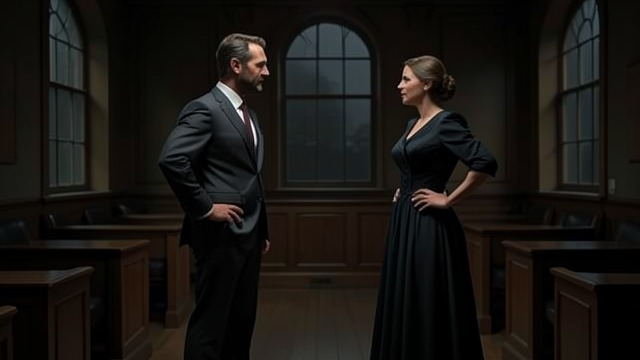
The Accused and the Victim
Competing claims
Mattinger insists that the victim’s history should not eclipse the murder charge. Leinen argues that motive matters to understanding the defendant’s act.
No easy moral exchange
Meyer’s past does not erase Collini’s killing, and Collini’s victimhood does not erase Meyer’s victims. The trial resists turning either man into a complete moral answer.
Justice Without a Verdict
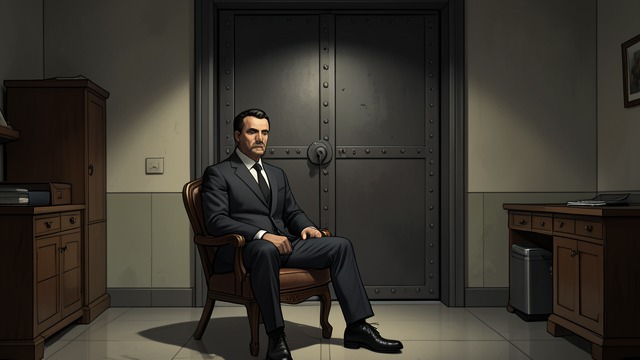
Justice Without a Verdict
A case interrupted
Collini dies before the court decides the charge. The trial is terminated under procedural rules, while the public has heard the historical evidence.
The remaining question
The legal system completes the immediate process but does not settle the moral meaning of the past. The novel leaves readers with the burden of judging where law’s authority ends.
Leinen’s first days on the case
Before the wartime evidence is presented
During the first expert testimony
After Collini’s history is disclosed
At the trial’s abrupt ending
